Ramp up for recruiting season. Try new event types, go local and keep the lines of communication open.
 A room full of prospects at your upcoming admissions events is your objective. Start with an event strategy that will register with your future students and help you stand out from the competition during recruiting season.
As you finalize your plans and budget for the upcoming recruiting season, here are some tips to customize your communications and maximize your event attendance with the right leads.
Make your event unique – and market it that way
Yes, your prospects, regardless of their age or career stage, want to know the benefits of earning an advanced degree. But more importantly, they are looking to experience your school. That includes everything from professor interaction to meals during class days and what your building looks like. Giving your prospects a glimpse of “a day in the life” can go a long way in helping them make their decision. It also ensures they are a good fit for the program.
When you’re planning your events, try thinking outside the classroom. Plan a short walk around the building or grounds, cater snacks or lunch from a local restaurant or include a faculty meet and greet. If your program is online, try showing a video of a virtual class or including a student panel. Although you may be tempted to spend your limited valuable time promoting your degree (which is also important), try adding a unique element that will entice your prospects. Give them a feel for your school’s culture and help you stand out from the competition.
Try feeder events
Your prospects are busy. Whether they’re completing undergrad, shifting careers or climbing the corporate ladder, their time is limited. And as they’re deciding their next steps, they may not have the availability to attend lengthy events at multiple schools. Giving your prospects options for how they experience your school can make a huge difference. You want them to attend a ½ day admissions event or weekend workshop – but often that’s not the first entry point.
If you give your prospective students the opportunity to preview your school by attending a webinar, an informal lunch or a cocktail hour, you are more likely to push them further down the funnel. Talk to them about their career goals, determine what their ambitions are and then invite them to take the next step.
Go local
Based on your geography, and brand strength, your school may draw students from up to 300 miles away. Show them that attending your school is attainable by connecting with them in their area. Host informational lunches or dinners in different cities where you believe your prospects live. Use geotargeted digital advertising to drive event registrations. Follow up with prospects via email and texts based on filters in your CRM. Do what you can to show up and meet them on their turf.
Encourage attendance after registration
Event registrations do not guarantee attendance. In fact, it’s possible that 20-50% of your attendees may not show up. To stay connected with them, show them you care. Call or text them to encourage them to come. Email them using personal subject lines and even use your personal email to touch base. If you don’t have the resources to follow up with everyone individually, use an outbound call center or automated texting. And don’t forget the power of your CRM to send timely messages.
As you finalize plans for recruiting season, consider partnering with a firm with a proven track record in higher ed. GPRS can give you access to successful formulas, methods and media choices to build a solid campaign aimed at your target student. Using our proven Digital Blueprint, we can hone in on qualified candidates and deliver the right communication and messaging that will encourage them to take action.

 The beauty of most CRM (Customer Relationship Management) platforms is that they give your school the ability to automatically connect with your prospects, over a set period of time via email, with limited manual labor involved. Using these tools can help you nurture your leads so they feel cared for, and give them the information they need to take action. Here are some creative ways on how to use CRM data to keep engagement high and re-energize prospects that may have fallen off the radar.
 As you enter into your inevitable January planning sessions determined to find ways to innovate and prepare for the upcoming recruiting push, consider these top marketing trends and opportunities for your school.
 An age-old debate in higher ed is whether to focus on quality or quantity of leads to obtain the right amount of applicants, and ultimately, seated students.
 When you ask any marketing or admissions team member what their key goals are for the coming year, almost all of them have these two at the top of the list: increase quality/quantity of leads, and increase enrollment. And many will follow up with the statement that they will be relying more heavily on digital advertising to help them reach these goals.
 Did you know that the average working adult receives 121 emails per day? But the average click through rate is 3.1%* — meaning that people tend to only read through and take action on about 2-3 emails per day. Not to mention, many are only viewing those emails on a 2-3″ wide phone screen. So, in a world where spam is dominant and your leads are prioritizing what they choose to read, it’s your job to differentiate your communications with personalized email. And if you are an educational institution, it’s likely you are not just competing with spam/work/personal messages, but also other colleges or universities your prospects are exploring.
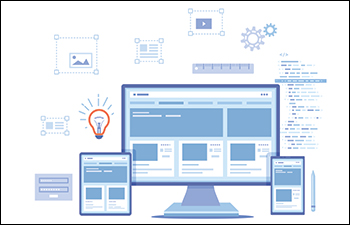 The mobile first website design strategy suggests a paradigm shift from traditional website development – to design for users that are viewing your content on a phone or tablet vs. people that are sitting at a computer digging into the details.
 Three of the top types of content in higher ed right now are infographics, videos and blogs. This may not come as a surprise considering prospects are seeking quick, bite-sized pieces of information they can consume while on the go. But how do you create and curate this type of content that is meaningful to your audience while on a budget and with limited time?
 Data can be your most powerful marketing resource. But using it can also become one of your biggest challenges if you’re not used to working with statistics, crunching numbers or harnessing large amounts of information to make informed marketing decisions. Here are some simple ways to start using data to strengthen your marketing campaigns, regardless of your comfort with data visualization tools.
 Say you’re aimlessly scrolling through social media or you’re on your favorite news site and all of a sudden, you see it – the thing you’ve been waiting for. It’s going to change your life. It’s the price you want. So really, it’s perfect. You must buy it right away. You click on the link while anxiously reaching for your credit card. The link takes you to the company’s homepage and you scroll and scroll. You may even click over to another page looking for the very product you wanted. It’s not there. At this point, you’re frustrated and less likely to buy.