Beyond Drip Campaigns: Smarter Student Engagement
 Traditional drip campaigns have long been used in student recruitment — sending pre-written emails on a fixed schedule to nurture leads. But today’s prospective students expect more: personalized engagement, timely conversations, and interactions across multiple channels.
Tools like ReadyRecruit™ are blazing a new path forward, combining AI-driven personalization with real-time, multi-channel outreach to create smarter, more responsive engagement.
Why Traditional Drip Campaigns Have Limits
Generic Messaging
Drip campaigns often send the same sequence to everyone in a segment. Timing, tone, and content are predetermined, regardless of what a prospect is doing or interested in.
Single-Channel Focus
Most campaigns rely on email alone. While email can keep leads “warm,” it doesn’t reach prospective students on the channels they also use — such as text, chat, or voice.
Fixed Schedule
Even when a student interacts immediately, drip campaigns can’t adapt. Questions may go unanswered, and engagement can stall before a staff member follows up.
How AI-Powered Engagement Can Help
Personalized Messaging
AI tools like ReadyRecruit adapt messaging, timing, and channels based on each prospect’s behavior and profile, helping students get the right information at the right time.
Multi-Channel Interaction
Beyond email, it engages prospects via text, chat, and voice, meeting them wherever they are most responsive.
Responsive Conversations
Instead of waiting for a set schedule, AI-driven engagement responds in real time — answering questions, providing information, and escalating to human staff when needed.
Guiding Outcomes
The focus shifts from simply keeping leads warm to actively helping them navigate their options and explore programs that best fit them.
How GPRS Can Help
At GPRS, we help institutions explore AI-powered engagement strategies that go beyond static drip campaigns. To address challenges like sorting high inquiry volumes and keeping leads engaged, we developed ReadyRecruit — combining behavioral insights, multi-channel outreach, and intelligent automation. This allows schools to create more responsive, personalized connections with prospective students — at every stage of the journey.
Ready to see how GPRS can help your team engage smarter and convert more leads? Contact us today to explore your options.

 By the time a prospective student inquires about a specific program, it’s often too late to redirect them elsewhere — even if another program is a better fit. In today’s competitive enrollment landscape, institutions can’t afford mismatches that lead to lost leads, lower yield, or disengagement. The key is to identify best-fit programs early — at the top of the funnel — through smarter data, conversations, and insights.
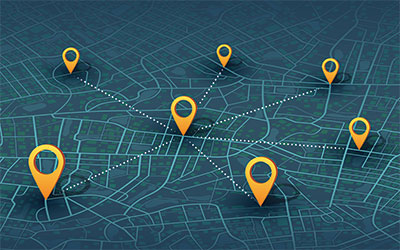 In today’s competitive higher education landscape, not every prospective student is thousands of miles away. Many are right in your own backyard, quietly exploring options for college or graduate school. Hyper-local marketing allows institutions to engage these nearby prospects, build community trust, and increase enrollment — all while standing out from national competitors.
 The pandemic may have accelerated online learning, but it didn’t stop there. Today’s students — whether they’re 18 or 48 — expect flexibility. From asynchronous courses to HyFlex classrooms, higher education is undergoing a fundamental transformation in how it delivers value.
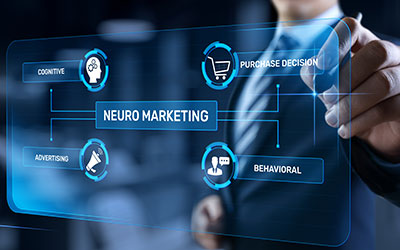 What if you could tap into how the brain actually works to improve your marketing performance? Neuromarketing — the application of neuroscience and cognitive psychology to marketing strategy — helps higher ed marketers do just that. By understanding how prospective students process information, make choices, and form emotional connections, we can create campaigns that are not only compelling but also conversion-optimized at a subconscious level.
 In the competitive landscape of higher education, getting a student to apply and even accept an offer is only part of the journey. The real challenge lies in yielding that student—nurturing their interest and securing their commitment to enroll. This critical phase is where Yield Marketing comes into play.
 As the landscape of higher education continues to evolve, non-traditional students—including adult learners, career-changers, and part-time students—are becoming a critical focus for institutions. These students bring diverse experiences, clear goals, and a strong desire for programs that fit their unique needs.
 Digital marketing is no longer just a supporting tool for higher education — it’s the driving force behind enrollment success. Students today expect more than just information; they want experiences that resonate, inspire, and guide them toward their goals. To meet these expectations, institutions must embrace innovative strategies that align with rapidly shifting digital behaviors.
 In today’s competitive higher education landscape, data has become the cornerstone of successful enrollment strategies. By harnessing analytics effectively, institutions can optimize their admissions funnel, enhance student recruitment, and improve overall return on investment (ROI). Here’s how a data-driven approach can transform enrollment marketing in 2025.
 A new year often brings renewed energy, fresh goals, and a clearer mindset. As we step into 2025, we’re still navigating an ever-changing landscape—marked by rapid advancements in technology, shifts in the job market, and evolving expectations in education. Flexibility, creativity, and resilience remain critical.