The Rise of the Invisible Funnel: Capturing Prospects Before They Raise Their Hand
 Higher education recruitment has always relied on clear signals — an inquiry form, an event registration, or an application. But today’s prospective students often take a quieter path.
They research anonymously, compare programs silently, and leave behind digital breadcrumbs long before they officially “raise their hand.”
This emerging reality is what we call the invisible funnel — and institutions that learn to identify and engage these shadow prospects early are gaining a decisive edge.
The Invisible Funnel in Action
Think about the last time you made a major decision: you likely read reviews, compared options, and gathered information before ever reaching out. Students do the same. They visit program pages, download resources, click on ads, and engage with social content — all before filling out a form. Without the right tools, these valuable signals are missed, and schools lose the chance to guide the decision-making journey.
How to Capture and Engage Shadow Prospects
- Leverage Analytics to Spot Intent Signals
Modern enrollment marketing platforms can track anonymous engagement — from repeated visits to key pages (like tuition, outcomes, or faculty bios) to high-value content downloads. These behaviors flag prospects who are nearing a decision, even if they haven’t submitted an inquiry. - Personalize Early, Not Late
The invisible funnel is about relevance. Instead of generic outreach once a form is filled, institutions should tailor content and messaging based on the behaviors students are already demonstrating online. - Use AI to Scale Engagement
AI-powered recruitment associates like ReadyRecruit can interpret signals, respond instantly across multiple channels, and nurture prospects with personalized conversations — ensuring no student slips through unseen. - Align Marketing and Admissions Teams
Enrollment success in the invisible funnel requires collaboration. Marketing identifies patterns and generates engagement; admissions continues the personalized journey once a student raises their hand. When the two work seamlessly, yield rates improve.
Why It Matters
Ignoring the invisible funnel means ignoring a growing majority of prospective students. Schools that wait passively for inquiries risk losing them to faster, more proactive competitors. By contrast, those that recognize and act on digital breadcrumbs can build trust earlier, deliver more relevant information, and ultimately boost conversion.
How GPRS Can Help:
The funnel isn’t gone — it’s just hidden. The institutions that thrive in 2025 and beyond will be those that see what others don’t, engaging students before they ever say a word.
At GPRS, we help institutions see beyond the surface — uncovering hidden opportunities in the invisible funnel and turning silent researchers into enrolled students. Let’s talk about how we can do the same for you.

 For decades, the inquiry form has been the gateway to college admissions. Simple. Static. Predictable. And, increasingly, obsolete.
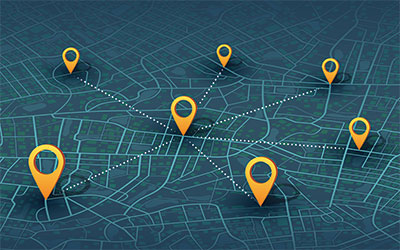 In today’s competitive higher education landscape, not every prospective student is thousands of miles away. Many are right in your own backyard, quietly exploring options for college or graduate school. Hyper-local marketing allows institutions to engage these nearby prospects, build community trust, and increase enrollment — all while standing out from national competitors.
 Higher education has entered a new era of enrollment. Today’s prospective students expect immediate, personalized communication and seamless digital experiences. At the same time, admissions teams face growing pressure to do more with fewer resources — all while proving the ROI of their marketing efforts.
 In a world where student expectations are 24/7, your recruitment strategy can’t clock out at 5 p.m. That’s where ReadyRecruit steps in — your AI-powered recruitment associate that never takes a break. Developed by GPRS,
  The pandemic may have accelerated online learning, but it didn’t stop there. Today’s students — whether they’re 18 or 48 — expect flexibility. From asynchronous courses to HyFlex classrooms, higher education is undergoing a fundamental transformation in how it delivers value.
 Diversity, Equity, and Inclusion (DEI) has long been a pillar of progress in higher education — but recent legal, political, and cultural shifts have pushed institutions to rethink their approach. Rather than stepping back, many are stepping forward in new ways.
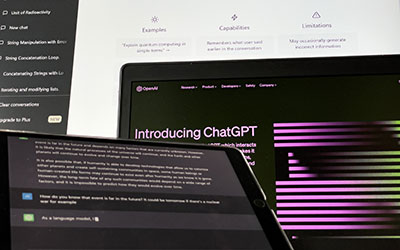 Higher education is no stranger to innovation, but the rise of artificial intelligence (AI) is accelerating change at a pace few could have imagined. From personalized learning experiences to AI-powered tutoring, the classroom is evolving — and so is the role of the educator.
 While it’s tempting to shift into summer slowdown mode, there’s still time to capture high-intent traffic from students actively searching right now. Summer is just starting — and that means opportunity is still on the table.
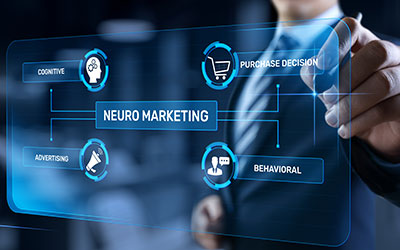 What if you could tap into how the brain actually works to improve your marketing performance? Neuromarketing — the application of neuroscience and cognitive psychology to marketing strategy — helps higher ed marketers do just that. By understanding how prospective students process information, make choices, and form emotional connections, we can create campaigns that are not only compelling but also conversion-optimized at a subconscious level.