Harnessing AI to Maximize Content Strategy
 Standing out in the wildly competitive enrollment marketing sphere requires embracing innovative strategies. One of the most efficient – but sometimes intimidating – cutting-edge tools you can use to attract and retain prospective students through personalized content strategy is artificial intelligence (AI). Harnessing AI to maximize content strategy can be an invaluable asset.
AI tools can analyze astounding amounts of data, identify patterns, optimize online visibility, streamline repetitive tasks, and improve your institution’s brand reputation. If used ethically and creatively, these new technologies can help you craft compelling content, stretch your budget, and reshape your enrollment strategies.
Harnessing AI to Maximize Content Strategy can help your team:
Personalize the Admissions Journey
Personalization plays a crucial role in building trust and engagement during the prospective student journey and increases their likelihood of enrollment. Using AI tools to analyze prospective students’ buying behaviors, preferences, interests, and demographics can help you tailor individual communication strategies, build personalized content experiences, highlight relevant programs and student outcomes, and help guide them through the admissions process from inquiry to enrollment. AI tools can help your team with everything from delivering highly personalized emails and direct mail to building more interactive virtual campus tours tailored to specific student interests. AI-powered content strategy ensures each prospective student’s interaction leaves a lasting impression.
Streamline Content Production
As in-house staff and budgets shrink, the volume of personalized marketing content required to meet and exceed enrollment goals can seem entirely overwhelming. One of the best ways to streamline content production workloads is by using AI to automate repetitive tasks like content ideation and distribution. Many automated content management tools can keep your tasks on track across the team, schedule your content, and track its performance, which can help you analyze your strategy for future efficiency. When these tools take on automated tasks, it allows your team to focus its time and resources on strategic initiatives. When used under strict human oversight, AI can even generate on-brand web copy, social media posts, ads, and promotional materials without sacrificing quality.
Optimize Content for Search Engines
One of the most important parts of any successful enrollment strategy is making sure prospective students find your institution and relevant program information at the top of their internet search results. AI tools offer invaluable assistance in optimizing your materials for search engines through keyword-rich content. It can also analyze search trends and map user behaviors that can help you write content that rises to the top of the search ranks through organic traffic. Automation tools can help you seamlessly integrate search engine optimization best practices into your workflows and ensure your prospective students find what they need to stay engaged. Plus, better search traffic automatically improves the brand reputation of your institution or program.
While AI can drastically enhance efficiency, increase personalization, and decrease your team’s workloads, maintaining human oversight throughout the content creation process is paramount. AI algorithms are only as effective as the data they’re trained on, and the authenticity and sincerity of enrollment marketing content are crucial to your institution’s reputation. Using AI tools, combined with the human touch from your team’s experts, can support a content strategy that resonates with prospective students on a deeper, more personal level, while helping you achieve and exceed your enrollment goals.
As you’re looking for ways to streamline your workflow and maximize your content strategy, GPRS can help you identify the tools and strategies to harness AI to maximize content strategy and stand out in the crowd.

 Facebook, Instagram, TikTok, YouTube, X: Stand out in those competitive online spaces using our grad school paid social media strategies and best practices.
 In a post-Covid world, prospective students are no longer limited by their physical proximity to campus. Virtual college tours have become the norm, offering prospective students an opportunity to “visit” an institution and imagine themselves on campus from the comfort of their homes. Even though this modern phenomenon opens a world of opportunities for busy prospects, the demand for engaging virtual campus tours has created an increasingly tricky challenge for admissions offices to navigate.
 Having real, candid conversations with prospective students keeps them engaged and puts your program top-of-mind. With an increasingly online enrollment experience, thousands of candidates, and only so many hours in the day for personal conversations with your staff, it is almost impossible to foster individual relationships with prospects that yield the desired results for both parties. That’s why a range of enrollment marketing personalization techniques should become the next tried-and-true tool in your marketing strategy toolbelt.
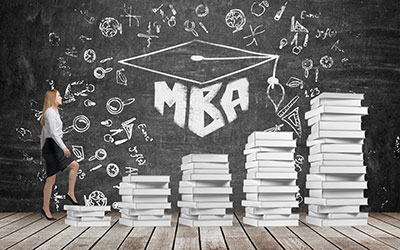 In a post-pandemic world, MBA program enrollment competition is fierce. To stand out among your competitors and meet your enrollment goals, you must have a bulletproof value proposition that is fully integrated into your
  Higher education, including graduate schools, sometimes gets a bad rap. All too often, prospective students assume graduate school isn’t for them because of some persistent myths and
  Specialized MBA programs remain a popular option for graduate school students, but growing enrollment can be difficult. It’s no secret that competition for prospects is fierce and finding the right recruits can be tricky, so higher education institutions need to implement the right strategies and best practices to grow enrollment in your specialized MBA program.
 Customer experience (CX) is a sometimes overlooked but crucial strategy for higher education institutions. In many ways, customer Experience strategies for higher education can mean the difference between success and failure when it comes to the recruitment and retention of graduate students.
 As 2024 dawns, higher education institutions all across the country are hard at work preparing for the next wave of graduate school students with marketing and recruitment efforts. But what do grad students really want in 2024?
 It’s no secret that higher education institutions face growing skepticism from the public for many reasons these days. High tuition costs, questions about return on investment, demographic shifts, and the rising popularity of trade schools, certificates, and other alternatives are just some of the reasons why higher education institutions are seeing shifts in enrollment. So, how do you increase enrollment amid rising higher education skepticism?